


Are Our Forests in Good Hands? Building Reputation Through Engagement and Communication
Social license is an important foundation of forestry in British Columbia, particularly for woodlot licensees who are entrusted with the stewardship of our Crown forest resources.
Woodlot licensees have a unique relationship with the land. They manage forests for multiple values, including timber, wildlife, recreation, ecosystem health, and the long-term interests of their communities. Their work is grounded in responsible stewardship, local knowledge, and relationships with the people and communities connected to these forests.
But what does it really mean to have social license? And how do we strengthen it?
These were some of the questions I explored during my presentation, “Are Our Forests in Good Hands? Building Reputation Through Engagement and Communication,” at the 2026 Woodlots BC Conference and AGM in Parksville earlier this month.
Social license is the level of acceptance, confidence, and trust people have in you to continue or maintain operations. It can be nuanced, constantly evolving, and shaped by people's perceptions, experiences, and expectations. While most of us understand the importance of earning public trust and support, identifying the practical steps to achieve it can be challenging.
My message to the woodlot licensees was straightforward: You can strengthen social license by intentionally building, and maintaining, a good reputation.

Aleece Laird, CEO of Amplify Consulting, presenting at the 2026 Woodlots BC Conference and AGM.
Reputation is built through what people experience
Reputation is the conclusion people reach based on what they see, hear, experience, and understand.
Consider someone driving past a forestry operation. They may see logging trucks hauling timber, hear machinery working, or notice slash piles along the roadside. Without understanding the broader objectives of the work, they may form conclusions based entirely on what is visible.
The same can happen with wildfire risk reduction activities. Someone may see smoke, hear chainsaws, or notice trees being removed without understanding the work being done to improve forest health and reduce wildfire risk.
Forestry professionals often have considerable knowledge about the work taking place on the land. The challenge is ensuring that the people connected to those forests have opportunities to understand the work, ask questions, share their perspectives, and see the values guiding our decisions. I think this is especially important for woodlots as they steward a Crown resource, A.K.A: the resources owned by taxpayers.

Attendees of the 2026 Woodlots BC Conference and AGM.
A practical roadmap for strengthening social license
During my presentation, I introduced the Shape of Success™, a framework that connects core values, engagement, communication, and reputation.
The bedrock of an organization or individual’s work is its values. These are the principles that guide decisions, actions, and behaviours. When we consistently demonstrate our values through the way we operate, we create a foundation for trust and can build our reputation.
From there, two important activities help us further build our reputation – engagement and communications.
Engagement is the pull of information. It means intentionally listening, asking questions, and drawing out information from the people and organizations connected to our work.
What do they know?
What matters to them?
What concerns do they have?
What are they experiencing?
What can we learn from their perspectives?
Communication is the push or sharing of information. Once we have listened and learned, we can communicate much more effectively. We have a better understanding of what information people need, how they prefer to receive it, and what will help them understand the decisions and activities taking place.
Engage first. Listen and learn. Then communicate intentionally.
Through consistent action, engagement, and communication, we can strengthen our reputation and build trust over time.
Putting the framework into practice
I shared an example from our work with Líl̓wat Forestry Ventures, the forestry division of Líl̓wat Nation, where we supported engagement and communications related to forest management and wildfire risk reduction activities.
Through proactive engagement with residents, community members, leadership, and others, we learned more about people's concerns and interests, including wildlife, access, forest treatments, and the protection of their communities.
Those conversations helped inform how we communicated about the work, including opportunities for people to see forestry activities firsthand, hear from the people doing the work, and better understand the objectives behind the treatments. The results included stronger relationships, greater understanding, positive media coverage, and appreciation from community members. It was a practical example of how engagement and communication, grounded in core values, can contribute to building reputation and strengthening social license.
Conference attendees participating in a forest tour near Parksville, B.C.
Seeing stewardship firsthand
One of the highlights of attending the Woodlots BC conference was participating in the forestry tour the day before my presentation.
It was enlightening to see the work being done by woodlot licensees, particularly around wildfire risk reduction, collaboration with First Nations, and the thoughtful management of forests for multiple values, including wildlife, recreation, and timber.
The tour reinforced how much knowledge, experience, and commitment these woodlot licensees bring to managing our forests. It also highlighted the opportunities to help more people understand the decisions, partnerships, and long-term thinking behind this work.
Our reputation is local. Our reputation is collective.
Every woodlot licensee has an opportunity to build trust through the relationships they develop and the way they engage with their communities. Collectively, those individual relationships contribute to the broader reputation of woodlot forestry in British Columbia.
I encouraged participants to consider four questions:
What is one relationship I should strengthen?
What is one thing I need to understand better?
What is one thing I can communicate more clearly?
What is one action I can take to strengthen my reputation?
Building social license is ongoing work. It requires us to understand the people connected to the land, demonstrate our values consistently, and communicate in ways that are meaningful and relevant.
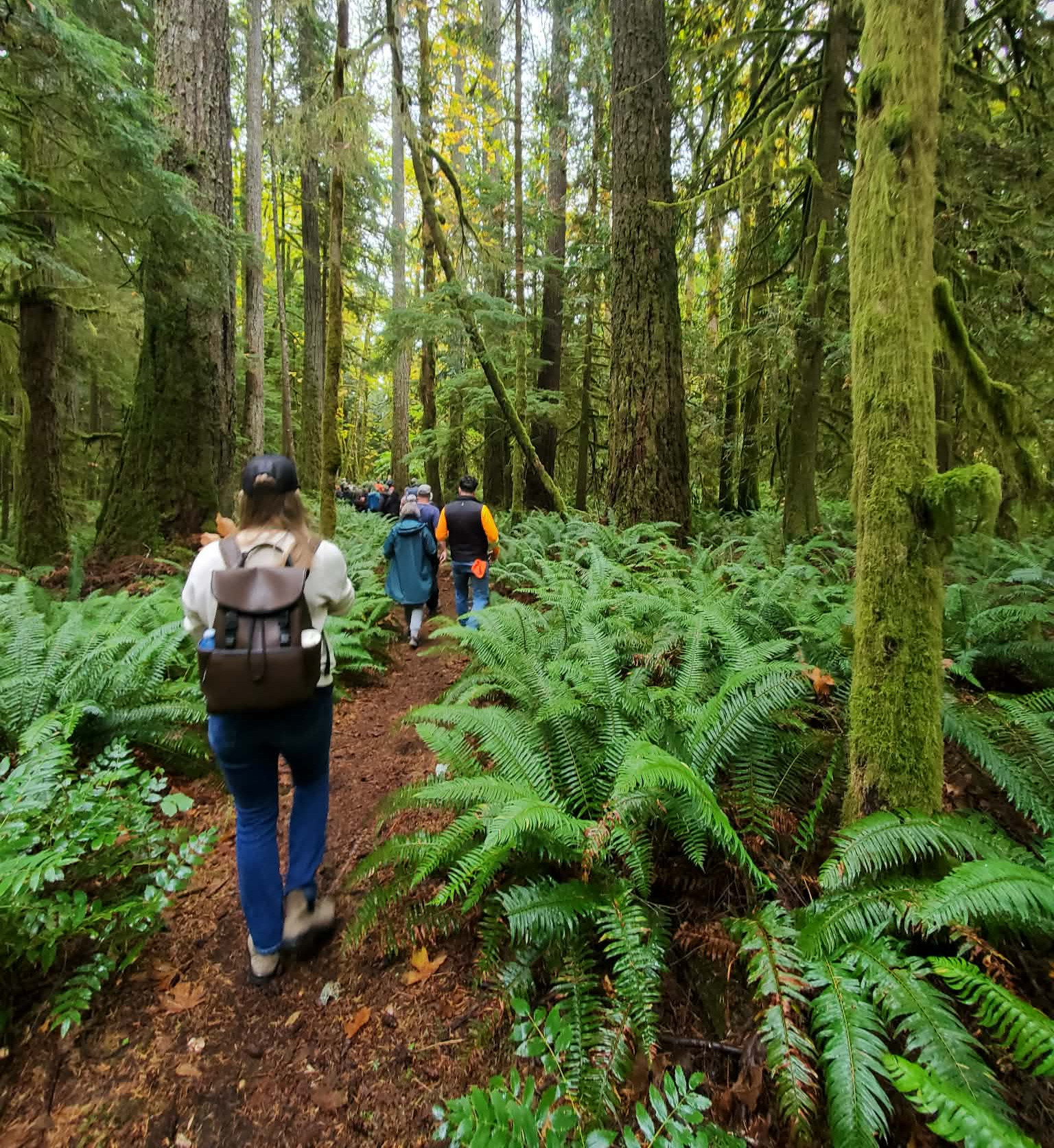
Forest tour participants exploring the area and learning about the work being done by woodlot licencees.
Thank you to Gord Chipman, Executive Director of Woodlots BC and Sarah Sutton, Communications Manager of Woodlots BC, for inviting me to speak with woodlot licensees from across the province. I appreciated the opportunity to learn more about their work, hear their perspectives, and share some practical approaches to strengthening reputation through engagement and communication.
Woodlots BC's tagline is “Forests in Good Hands.” It's a strong statement about stewardship and responsibility. Through their work on the land, relationships with communities, and commitment to meaningful engagement and communication, woodlot licensees have an opportunity to demonstrate what those words mean.
Define your core values, then engage first. Communicate intentionally. Build your reputation. Strengthen your social license.
Building a strong reputation and earning social license is an ongoing commitment. It takes consistent effort, meaningful relationships, and a willingness to keep listening, learning, and adapting. Every conversation, every decision, and every interaction is an opportunity to demonstrate your values and strengthen trust. Over time, these actions build a reputation that helps sustain social license within our communities.


Comments